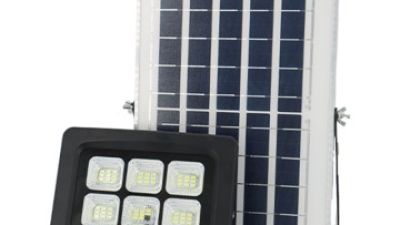
So, here's the thing — switching over to Led Street Lights is really changing the game when it comes to lighting up our cities. I mean, according to the folks at the International Energy Agency, these LED street lights can cut down energy use by up to 60%. That’s pretty huge, right? Not only does it save money for cities around the world, but it's also a win for the environment. I recently chatted with Dr. John Müller from Future Lighting Solutions, and he put it perfectly: “Moving to LED technology isn’t just about saving some bucks; it’s about building smarter, greener cities that can thrive in the long run.” When cities hop on the LED train, especially with solar-powered options likeLed Light Solar Street Light, they get way more than just energy savings — safety gets a boost too. Brighter, more focused lighting means better visibility, which in turn helps reduce crime rates. But, of course, the switch isn’t all smooth sailing. Some municipalities hesitate because the upfront costs can be pretty intimidating, and taking care of these new systems needs proper planning and resources. Still, there's no denying that LED street lights are making a real difference. A report from the U.S. Department of Energy even predicts that if cities pretty much everywhere embrace this tech, we could save almost $5.5 billion each year on energy costs by 2030. Of course, making these decisions involves some serious thinking — experts in the field are crucial here. The whole evolution of lighting tech brings both opportunities and challenges, but it’s clear that it’s paving the way for smarter, more sustainable urban living.

Overview of LED Street Lights and Their Growing Popularity
LED street lights are gaining global attention for their numerous advantages. They offer improved energy efficiency compared to traditional lighting systems. As cities strive for sustainability, LED technology plays a crucial role in reducing carbon footprints. The lifespan of LED lights is significantly longer, leading to lower maintenance costs over time.
In recent years, urban areas have adopted LED street lights as a standard. They provide better visibility, enhancing safety for pedestrians and drivers alike. Their brightness can be adjusted, allowing cities to customize light levels for different zones. This flexibility addresses safety concerns but also raises questions about light pollution. Some neighborhoods report an overwhelming brightness at night.
While the benefits are clear, challenges remain. Cities must consider the upfront investment for these systems. Concerns about glare and its impact on local wildlife need further research. As the popularity of LED street lights grows, ongoing dialogue is necessary to address these complexities while continuing to promote energy efficiency and safety.
Top Benefits of LED Street Lights for Global Buyers
| Benefit | Description | Impact |
| Energy Efficiency | LED street lights use significantly less energy than traditional street lights, leading to lower electricity bills. | Reduced operational costs for municipalities. |
| Long Lifespan | LEDs can last up to 25,000 hours or more, reducing the frequency of replacements. | Lower maintenance costs and reduced waste. |
| Environmental Impact | LED lights are free from toxic materials and are fully recyclable. | Promotes sustainability and reduces landfill waste. |
| Better Light Quality | LED lights provide bright, clear illumination, improving visibility and safety on the roads. | Enhanced safety for pedestrians and drivers. |
| Smart Technology Integration | LED systems can be integrated with smart city technologies for better monitoring and control. | Improved traffic management and energy use monitoring. |
Environmental Benefits of LED Street Lights Compared to Traditional Lights
The environmental benefits of LED street lights are increasingly recognized worldwide. These lights consume significantly less energy than traditional street lighting. For example, an LED street light can use up to 75% less electricity. This reduction in energy use directly translates into lower greenhouse gas emissions. Cities adopting LED technology can make a substantial impact on air quality, reducing pollutants.
Moreover, LED lights have a longer lifespan. They typically last up to 25,000 hours compared to just 1,000 hours for incandescent bulbs. This longevity reduces the need for frequent replacements. Fewer replacements mean less waste and lower maintenance costs. However, the transition to LED lighting systems is not without challenges. Many municipalities face budget constraints and the need for strategic planning.
Using LED lights can also enhance light quality. They emit brighter and more focused light, improving visibility at night. This can potentially lead to safer urban environments. Nevertheless, the initial investment can be high for some cities. This is a critical consideration for decision-makers. Balancing cost with long-term benefits requires careful thought and planning.
Cost Efficiency and Long-Term Savings of LED Street Lighting Solutions
The shift to LED street lights is not just about modernizing city infrastructure; it brings significant cost efficiency. Research indicates that LED street lighting can reduce energy consumption by up to 75%. This reduction leads to impressive savings on utility bills. Cities adopting LED technologies often see a return on investment within a few years, with some reporting paybacks in less than five years.
Maintenance savings also play a crucial role. Traditional street lights require frequent replacements and repairs. In contrast, a well-designed Led Light Street Light has an operational lifespan of over 25,000 hours. This longevity translates to fewer service calls and reduced labor costs. Implementing LED solutions means using less material over time and decreasing waste in landfills, which people often overlook.
However, there are challenges. The initial cost of LED street lights can be perceived as high. Not all municipalities have the budget for upfront investments. Plus, some areas experience lighting issues related to uniformity and glare, which can affect visibility. These factors invite further scrutiny. Are we considering all long-term expenses? Each city must evaluate its unique circumstances before transitioning fully to LED technologies.
Impact of LED Technology on Urban Safety and Night Visibility
The integration of LED technology into street lighting is transforming urban environments. Studies reveal that LED street lights can enhance visibility by up to 50%. This increase in brightness significantly improves night time safety. A well-lit street can deter crime, as it becomes harder for potential offenders to hide. A report from the American Medical Association indicates that improved lighting reduces accidents by over 30%.
Tips: Consider using LED street lights in areas with high foot traffic. Enhanced lighting creates safer spaces for pedestrians.
Urban areas benefit from reduced light pollution when using LED street lights. The focused light emitted leads to less glare and distractions. Improved night visibility contributes to more secure neighborhoods. However, cities must evaluate implementation costs versus long-term savings. It’s essential to balance investment with real community needs. Frequent assessments can help optimize lighting placement.
Tips: Engage with local communities for feedback on lighting effectiveness. This can identify areas needing more attention.
Customization and Smart Features of Modern LED Street Lights
Modern LED street lights offer remarkable customization options. Cities can tailor light intensity, color, and design. This flexibility suits diverse landscapes and communities. For instance, warmer colors may enhance pedestrian areas, while brighter, cooler lights work best on busy roads.
Smart features elevate LED street lights beyond basic functionality. They can integrate sensors to adjust brightness based on traffic or weather conditions. This adaptability not only saves energy but also enhances safety. Moreover, connected street lights can provide real-time data to city planners. This data can inform road repairs and maintenance needs.
When considering LED street lights, think about future needs. Will your community benefit from smart technology? Evaluate both current and future demands. Assess how customization could improve aesthetics and functionality. Getting input from local residents can offer valuable insights. Emphasizing community preferences may lead to better-fitted solutions.
Global Trends and Adoption Rates of LED Street Lighting Innovations
The shift towards LED street lighting has gained momentum worldwide. Many cities are adopting these technologies to enhance energy efficiency. They consume less power while providing brighter illumination. This change not only reduces electricity bills but also lowers carbon footprints. New studies show that cities using LED systems experience up to 50% less energy consumption compared to traditional lamps.
China Led Light Solar Street Light, integrates solar power, making installations even more sustainable. However, challenges remain. Some regions struggle with initial setup costs and grid limitations. While the benefits are clear, decision-makers must weigh short-term expenses against long-term savings. As adoption rates rise, community engagement becomes crucial in decision-making processes. Local participation can drive better outcomes and foster innovation.
Future Prospects for LED Street Lights in Sustainable Urban Development
The future of LED street lights holds significant promise for sustainable urban development. According to a recent report by the International Energy Agency, LED street lights can reduce energy consumption by up to 50%. These lights not only consume less energy but also have a longer lifespan than traditional lighting options. This longevity contributes to reduced waste and frequent replacement, making them a more eco-friendly choice.
Urban areas can benefit greatly from adopting LED technology. Improved lighting enhances public safety, reducing crime rates in well-lit streets. Additionally, cities integrating smart technology with LED street lights can monitor energy usage in real-time, analyzing data to optimize performance. However, challenges exist. Budget constraints may hinder the transition in some regions. Additionally, inadequate infrastructure can slow down the rollout of these systems, making planning critical.
Tip: When considering the transition to LED lighting, explore options like Wholesale Led Light Solar Street Light. These solutions combine solar energy with LED technology, offering a sustainable approach to urban lighting. Evaluate local needs and infrastructure carefully before implementing changes. Adopting LED street lights has the potential to transform urban living and achieve sustainability goals.
Enhancing Your Outdoor Spaces: The Benefits of Weather-Resistant Solar Projection Lights
When looking to enhance your outdoor spaces, incorporating weather-resistant solar projection lights can make a significant difference. These innovative lighting devices not only illuminate areas effectively but also embrace eco-friendly principles. One standout option is the split solar energy projection lamp, which features a unique design that separates the solar panels from the lamp's main body. This separation allows for more versatile installation methods and increases the efficiency of energy collection, making it a practical choice for various outdoor locations.
The split solar projection lamp is equipped with high-efficiency solar panels that quickly absorb sunlight, converting it into stored energy. This ensures that even on cloudy days, the light remains charged and ready for use. The premium LED light source provides high brightness with low power consumption, illuminating large areas such as courtyards, pathways, and parking lots with clarity. Additionally, the intelligent control system adjusts the brightness based on ambient light, optimizing energy use without compromising visibility. The lamp's durable construction is waterproof, dustproof, and corrosion-resistant, allowing it to endure harsh outdoor conditions while maintaining its functionality and aesthetic appeal.
FAQS
: LED street lights use up to 75% less energy than traditional lights. This reduces greenhouse gas emissions and improves air quality.
LED lights can last up to 25,000 hours. Traditional incandescent bulbs typically last only 1,000 hours.
Initial investment costs can be high. However, savings on energy bills and maintenance may balance those costs over time.
LED lights provide brighter, focused illumination. This enhances visibility at night, potentially leading to safer urban environments.
Budget constraints and infrastructure limitations are common challenges. Strategic planning is essential for a successful transition.
Community involvement can drive better decision-making. Local participation fosters innovation, leading to more effective solutions.
Yes, integrating smart technology allows for real-time energy monitoring. Data analysis can optimize energy performance and usage.
LED street lights can significantly reduce energy consumption and waste, contributing to more sustainable urban development.
Assessing local needs and infrastructure is vital. Balancing initial costs against long-term benefits requires careful thought.
Fewer replacements of LED lights lead to less waste. This aspect makes them a more eco-friendly choice overall.
Conclusion
LED street lights are becoming increasingly popular due to their numerous advantages over traditional lighting solutions. These advanced lighting systems not only provide significant environmental benefits by reducing energy consumption and greenhouse gas emissions, but they also contribute to cost efficiency with long-term savings on maintenance and operational expenses.
Moreover, the impact of LED technology extends to urban safety and night visibility, making streets safer for pedestrians and drivers alike. Modern LED street lights also offer customization options and smart features that enhance urban infrastructure. As global trends indicate a rising adoption rate of LED street lighting innovations, the future prospects for these lights in achieving sustainable urban development appear promising, paving the way for brighter and greener cities.